


Lapis Lazuli — Origin & Meaning
Lapis Lazuli has been revered for over 6,000–7,000 years, first mined in the mountains of northern Afghanistan, a region still regarded as producing the finest quality stones today. From the very beginning, it was never considered an ordinary gemstone — it was a symbol of power, wisdom, and divine connection.
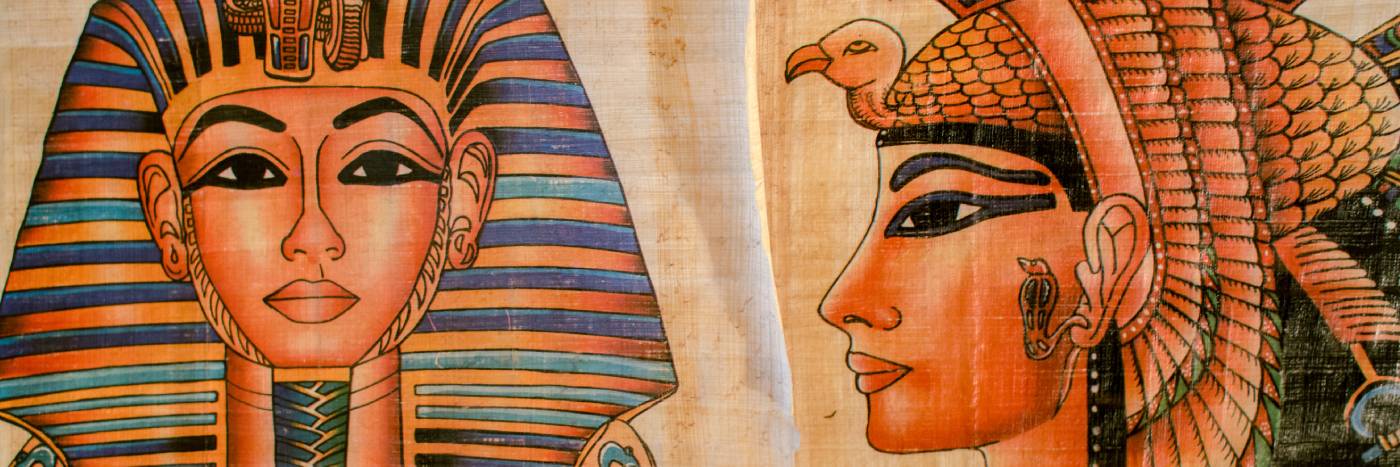
In ancient Egypt, Lapis Lazuli was highly prized and often valued more than gold. It was used to craft burial ornaments for kings and queens, incorporated into royal jewelry, and used to decorate statues of deities. Its deep celestial blue was believed to represent the heavens, making it a stone reserved for royalty, priests, and those of elevated status.
Beyond Egypt, Lapis Lazuli has been found across Chile, Russia, Italy, Egypt, and the United States, reinforcing its significance across cultures and civilizations. Wherever it appeared, it carried the same meaning — authority, truth, and inner strength.
Believed Benefits & Modern Meaning
Lapis Lazuli is traditionally associated with clarity of thought, honest expression, and inner confidence. It is believed to support clear communication, sharpen awareness, and encourage alignment between thought, speech, and action.
Often linked to mental focus and intuition, Lapis Lazuli is said to help quiet mental noise, allowing decisions to be made with composure rather than impulse. Emotionally, it is valued for reinforcing self-trust and integrity — reminding the wearer to act from conviction instead of reaction.
In modern life, Lapis Lazuli continues its legacy not as a symbol of status, but as one of clarity, truth, and calm authority — strength that speaks softly, yet stands firm.
Lapis Lazuli is a Semi-Gemstone
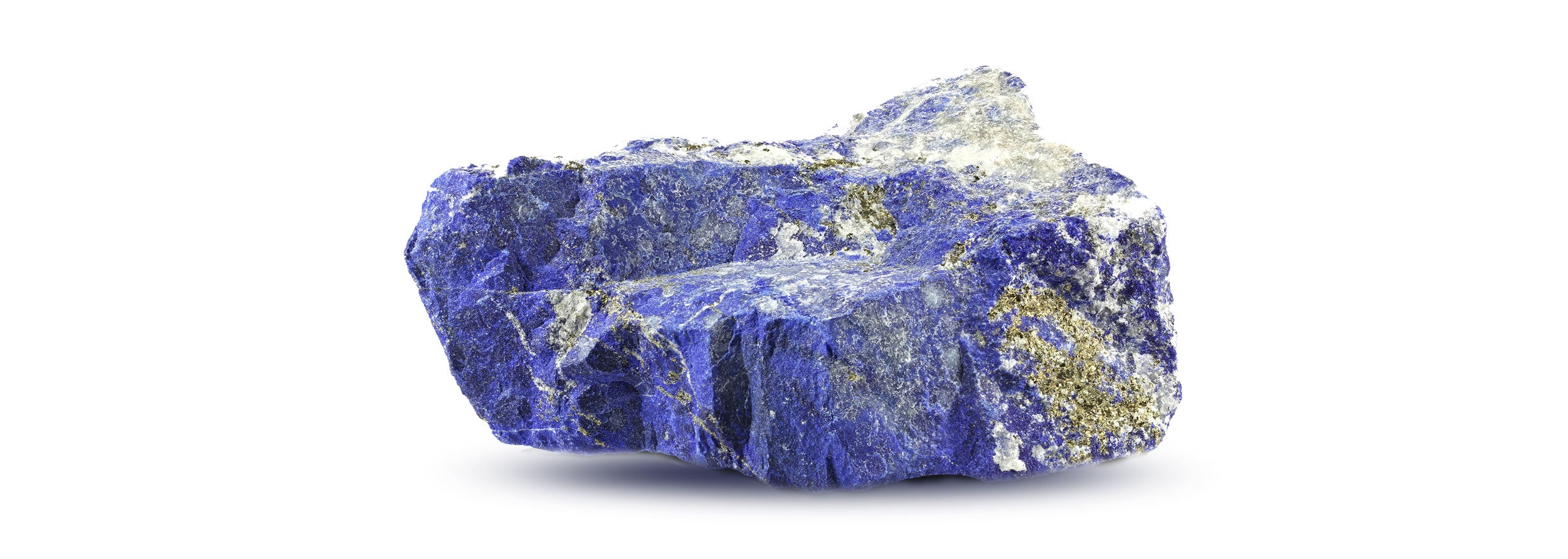
Latin Lapis means “stone”, and the Persian Lāzhward means “blue”. One of the oldest gemstone known and used by mankind. It is a universal symbol of Royalty, Power, Wisdom and Truth. Lapis Lazuli is a combination rock type of Lazurite, Sodalite, Calcite and Pyrite. In fact, Lazurite is the key composite for that distinctive Royal Blue.
Geologically speaking, Lapis Lazuli is classified as a rock, not a mineral, because it is made up of various minerals. Lapis is an excellent stone for psychologists, executives and journalists. It helps to stimulate wisdom and good judgment in the ever-changing world. It aids one’s intellectual for financial analysts, historians, archaeologists, lawyers and creates new ideas for creative professionals like inventors and writers. Lapis is also a stone of protection, guarding against psychic attacks as it quickly releases stress, restore calmness and peace. It encourages self-awareness and self-expression.