


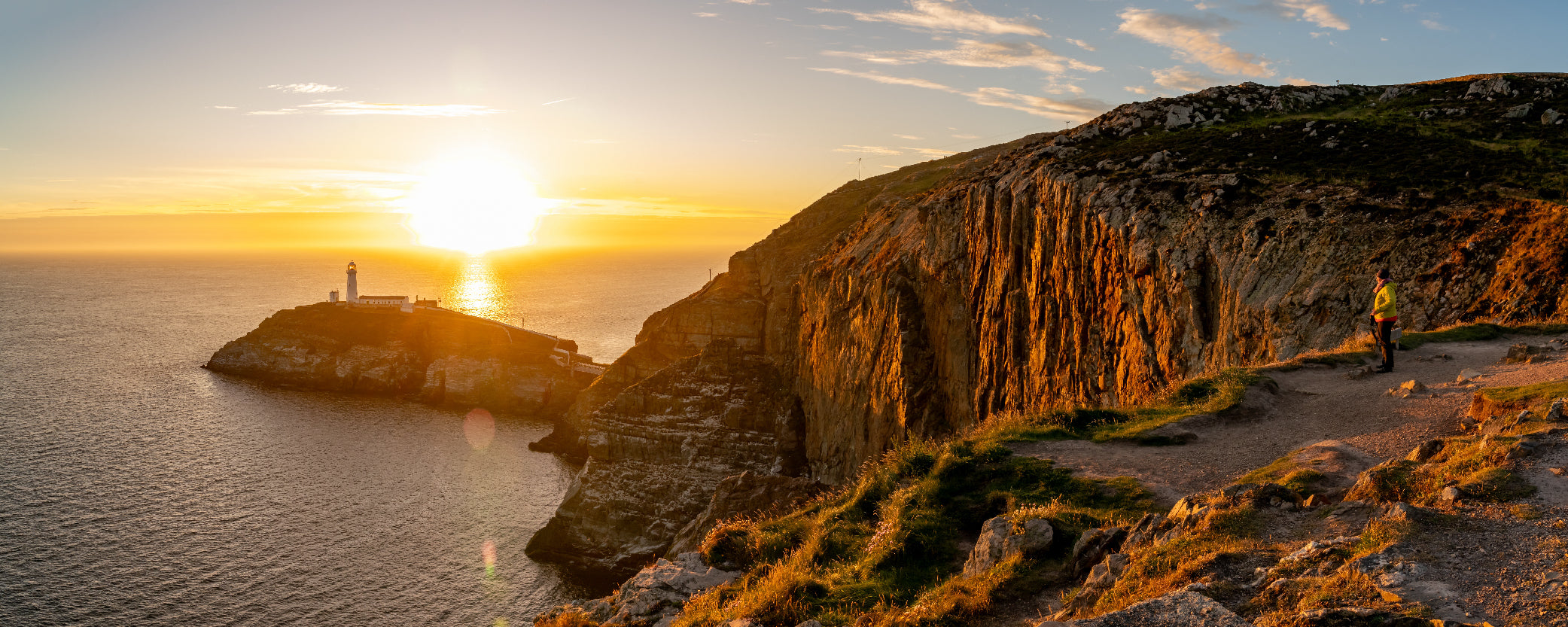
Summer Solstice (21 June 2026)
Estimated reading time: 6–7 minutes
There is a day each year when time feels like it stretches.
Not in hours, but in light.
On 21 June 2026, the Summer Solstice arrives quietly—marking the longest day in the Northern Hemisphere. It is not something you hear or see all at once.
You feel it.
In the way the evening refuses to end.
In the way the sky softens, but never quite darkens.
In the way the day seems reluctant to let go.
When the Day Refuses to End
The solstice is often described in technical terms—the Earth tilting at its maximum angle toward the sun, giving us the most daylight of the year.
But that explanation misses something essential.
Because what makes this day memorable is not its length.
It is its gentleness.
Light lingers longer on surfaces.
Shadows stretch slowly across the floor.
The transition from day to night becomes less abrupt—more forgiving.
There is no urgency to switch on the lights.
For a moment, the world exists in between.
The Softest Hour
There is a particular kind of light that only appears around this time of year.
Not the harsh brightness of midday.
Not the dimness of night.
But something in between—warm, diffused, almost weightless.
It arrives in the late evening.
And if you notice carefully, it changes how a space feels.
Edges soften.
Colours deepen.
Even silence feels warmer.
This is the hour that invites you to pause—not because you have to, but because it feels natural to do so.
A Different Rhythm
Modern life is built on structure—start times, end times, schedules that move with precision.
But the solstice reminds us that time is not always meant to be measured so strictly.
There are days meant for productivity.
And there are days meant for presence.
On the longest day of the year, there is no need to rush into the night.
You can let the evening unfold slowly:
- finishing a meal without checking the clock
- sitting a little longer than usual
- allowing conversations to drift without direction
Nothing is being wasted.
Something is being extended.
Letting Light Shape the Space
Light does more than illuminate—it defines how we experience a space.
On most days, we control it:
- turning lamps on
- adjusting brightness
- closing curtains
But on the solstice, natural light takes the lead.
And if you allow it, it transforms the environment entirely.
A low seat near a window becomes a place to linger.
A quiet corner turns into a resting point.
Even the simplest arrangement begins to feel intentional.
You start to notice how little is needed.
Just:
- softness
- openness
- and room for light to move
The Practice of Staying
There is a subtle discipline in allowing a moment to last longer than necessary.
To not interrupt it.
To not optimise it.
To not turn it into something productive.
The solstice offers that opportunity.
To sit in the fading light without reaching for distraction.
To observe how the sky changes—not dramatically, but gradually.
To let time pass without needing to fill it.
This is not inactivity.
It is awareness.
And in a way, it reflects a quieter philosophy of living—one that values what is already present, rather than constantly seeking what comes next.
When Light Becomes Memory
Long after the day ends, what remains is not the number of hours it held.
But how it felt.
The warmth on the floor.
The softness in the room.
The sense that, for a brief moment, there was more than enough time.
These are not grand experiences.
But they are lasting ones.
A Moment to Keep
There will be brighter days.
There will be louder events in the sky.
But the solstice is not about spectacle.
It is about permission.
To slow down without reason.
To stay without urgency.
To let light linger—not just outside, but within the spaces we create for ourselves.
And perhaps that is enough.
Share:
The Season of Quiet Stars Begins
Under the Enchanted Sky — A Season for Wishes